Best Vacuum Assisted Closure Device
Nowadays, there are so many products of vacuum assisted closure device in the market and you are wondering to choose a best one.You have searched for vacuum assisted closure device in many merchants, compared about products prices & reviews before deciding to buy them.
You are in RIGHT PLACE.
Here are some of best sellings vacuum assisted closure device which we would like to recommend with high customer review ratings to guide you on quality & popularity of each items.
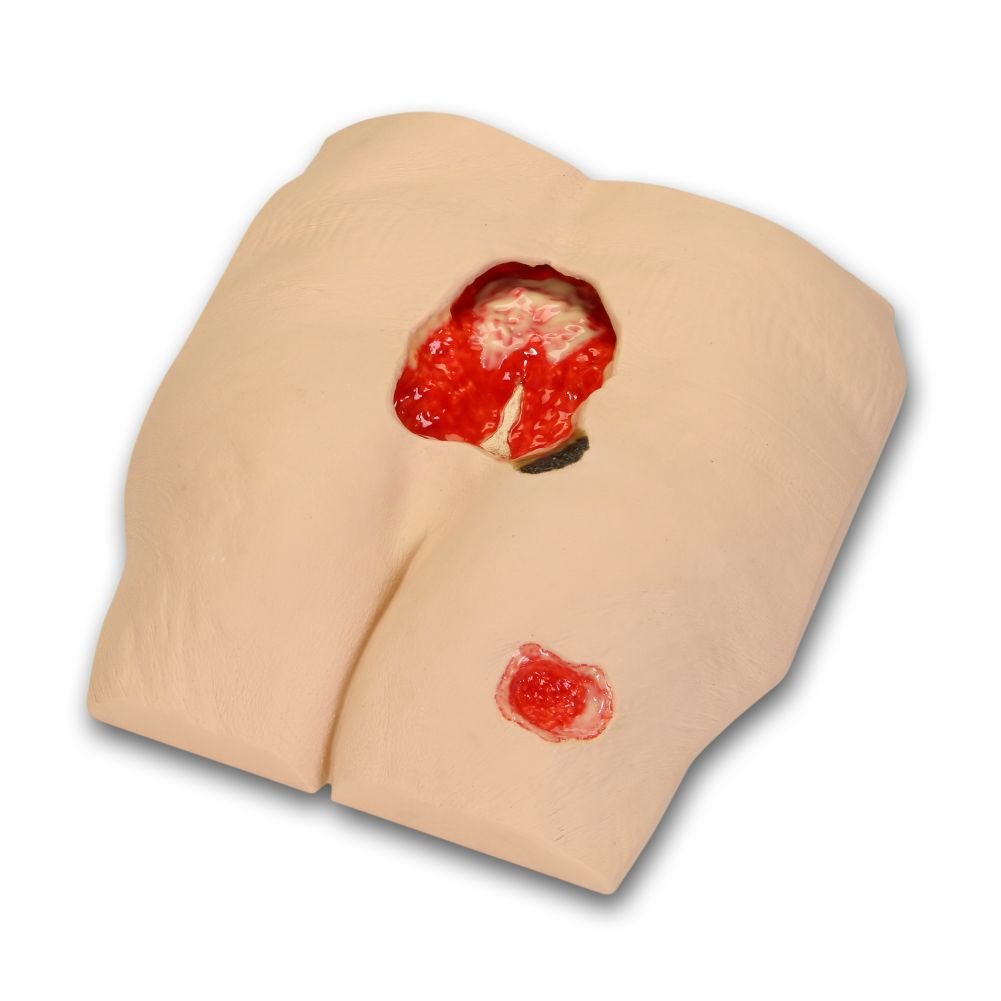
Stan Stage IV Sacral Pressure Ulcer Model
Designed for teaching and training with vacuum assisted closure and negative pressure wound therapy devices, this model features a large sacral Stage IV pressure ulcer* (NPUAP 2007 Pressure Ulcer Staging Guidelines), with eschar, subcutaneous fat, undermining, tunneling, slough, eschar and exposed bone (with osteomyelitis) and a Stage III pressure ulcer with subcutaneous fat and granulation tissue. The large size and depth of the Stage IV pressure ulcer, as well as the undermining and tunneling, make it ideal for practicing the proper dressing and preparation of a large wound for use with a negative pressure wound therapy device. The Stage III pressure ulcer is positioned so that the Stage IV can be dressed by itself or a bridging dressing can be applied to the Stage IV and Stage III to demonstrate and practice this skill. The skills that healthcare professionals learn with this model can be used to obtain positive outcomes with a variety of chronic and acute wound types, such as other pressure ulcers, diabetic wounds, abdominal wounds, trauma wounds, flaps and grafts. Compact and weighting only 2 lbs., this model is easily transportable.This model is made of a unique, flexible material that permits the application and removal of dressings without leaving an adhesive residue.A great tool for training, competency testing, skills assessment, dressing techniques and use of negative pressure wound therapy devices! Size: 9 X 9 X 4 1/2 Sh. wt. 3.0 lbs.* We have included the most likely etiology-based descriptions, but realize many wounds can appear in the same location, having different etiologies. The definitive diagnosis is up to the clinician and interprofessional wound care team. This product is NOT a medical device and FDA regulation is not applicable. This product is not intended for use on human beings, this is only designed for educational and demonstrational purposes.
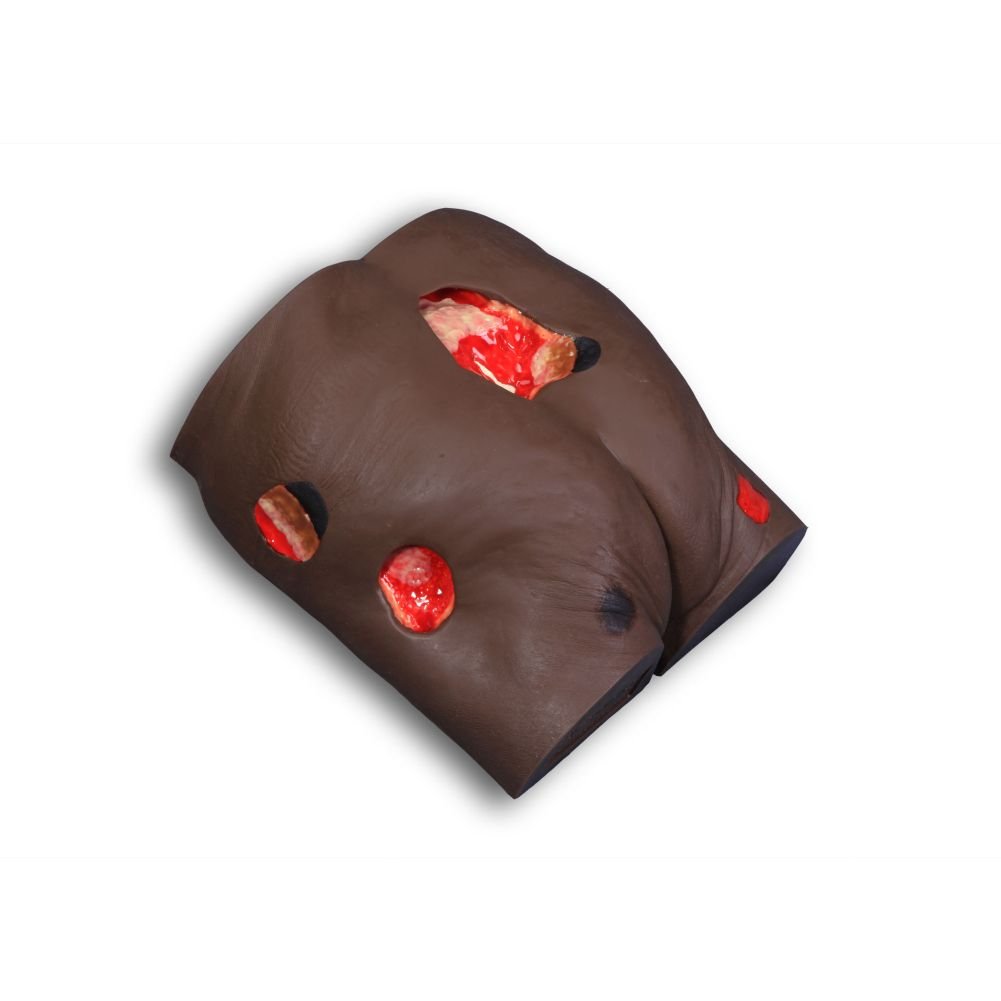
Seymour II Wound Care Model, Darkly Pigmented
 Amazon.com
- Displays: Stage 1, Stage 2, Stage 3 with undermining, tunneling, Stage 4 with undermining, tunneling
- Also shows an unstageable wound, dehisced wound, and DTPI (Deep Tissue Pressure Injury)
- Can practice regular dressings or NPWT on all wounds without leaving adhesive residue
- Students can learn to identify and stage and their probable etiologies.
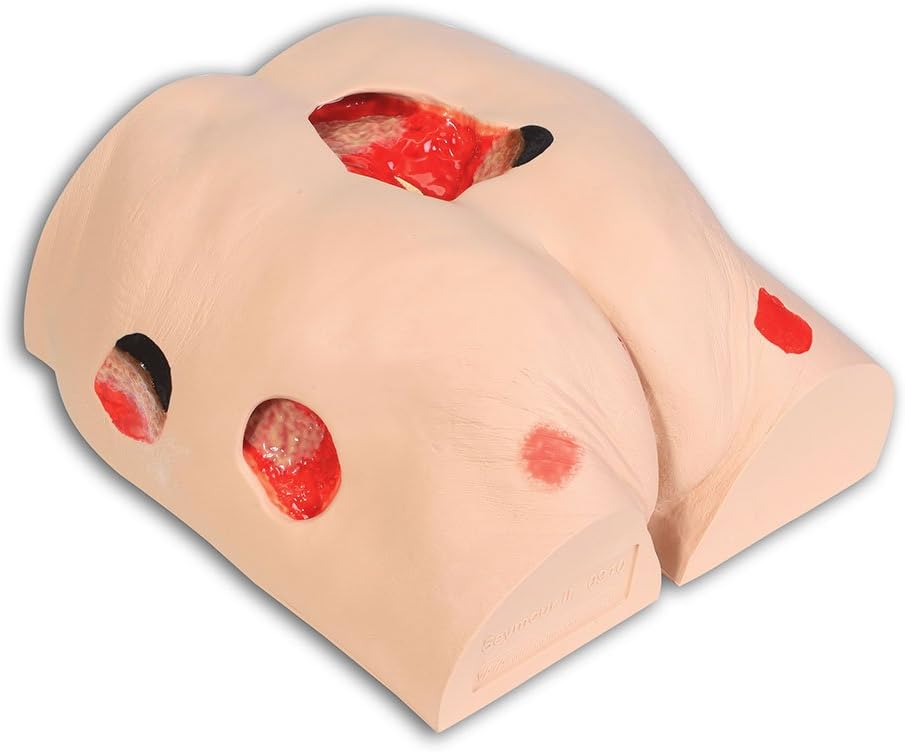
Seymour II" Wound Care Model, Light
Amazon.com
- Displays: Stage 1, Stage 2, Stage 3 with undermining, tunneling, Stage 4 with undermining, tunneling
- Also shows an unstageable wound, dehisced wound, and DTPI (Deep Tissue Pressure Injury)
- Can practice regular dressings or NPWT on all wounds without leaving adhesive residue
- Students can learn to identify and stage and their probable etiologies.
- Available in lightly and darkly pigmented skin
0920 Seymour II™ Wound Care Model is the most comprehensive & realistic model of its kind. Molded from a 74-year-old patient, this model displays the following conditions: Stage 1, Stage 2, Stage 3 w/ undermining, tunneling, subcutaneous fat & slough, deep Stage 4 w/ exposed bone, undermining, tunneling, subcutaneous fat, eschar & slough. 0920 Seymour II™ Wound Care Model displays the following pressure injuries (per NPUAP 2016 – National Pressure Ulcer Advisory Panel): Stage 1, Stage 2, Stage 3 w/ undermining, tunneling, subcutaneous fat & slough, deep Stage 4 w/ exposed bone w/ osteomyelitis, undermining, tunneling, subcutaneous fat, eschar & slough. Also shown are a DTPI (Deep Tissue Pressure Injury), unstageable full eschar/slough wound, & a 5 1/2” dehisced wound. Great care has been taken to hand paint each wound just for the most life-like presentation. Wound assessment is critical to the operation of health agencies. Inaccurate wound assessment can misdirect the plan of care, affect reimbursement, cause inaccurate reporting of patient outcomes & the appearance of potential adverse events. This model is an effective tool for educating all healthcare professionals & patients in the identification & staging of wounds & their probable etiologies. Once the etiologies are understood, they can be discussed & treatment plans devised that will deliver optimized patient care. Seymour II™ is also an excellent visual aid for educating those who cannot read well, allowing them to see what can occur w/out proper care. Routine cleansing & dressing changes can be taught & practiced on all the wounds by healthcare providers, patients, families, & caregivers. Seymour II™ is made of a life-like material that permits the application & easy removal of dressings, w/out leaving an adhesive residue. The Stage 3 & Stage 4 are positioned so that a “bridging” dressing for use w/ a vacuum assisted closure & negative pressure wound therapy devices can be demonstrated & practiced.
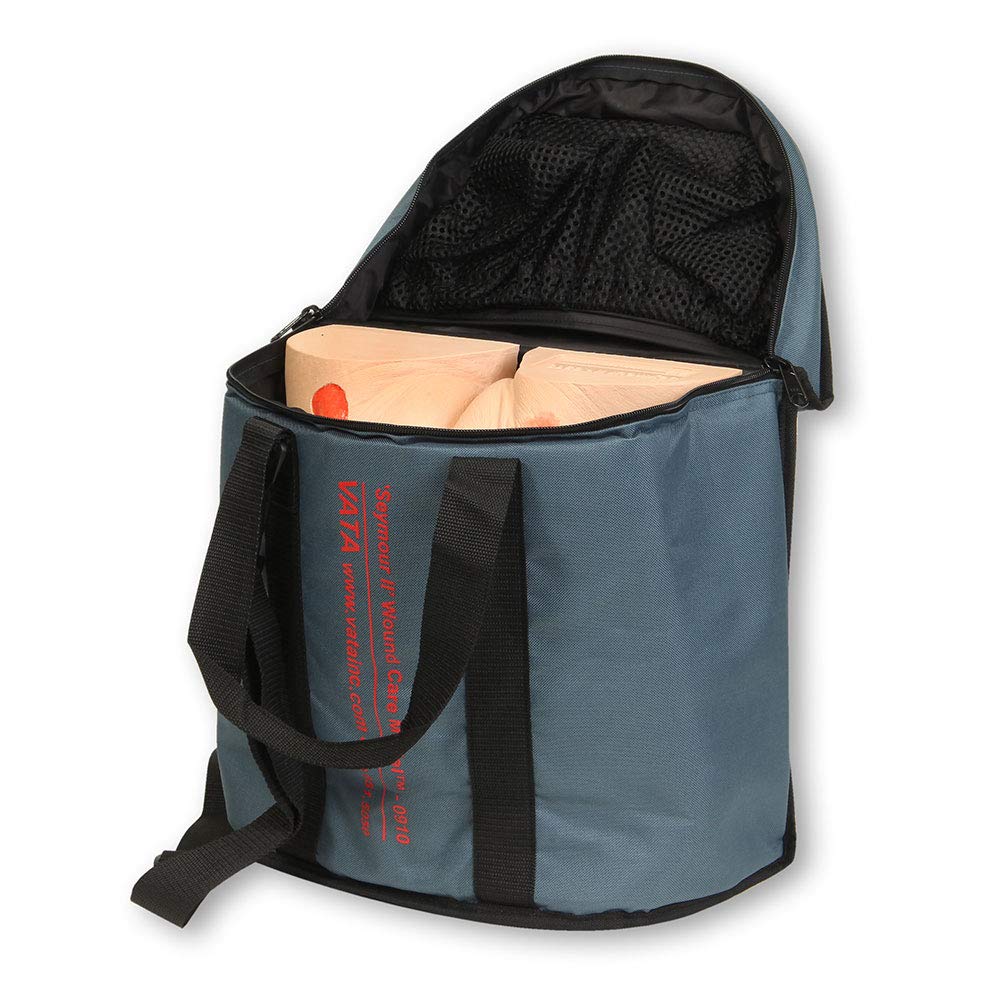
0901 – Seymour II Optional Carrying Case
Amazon.com
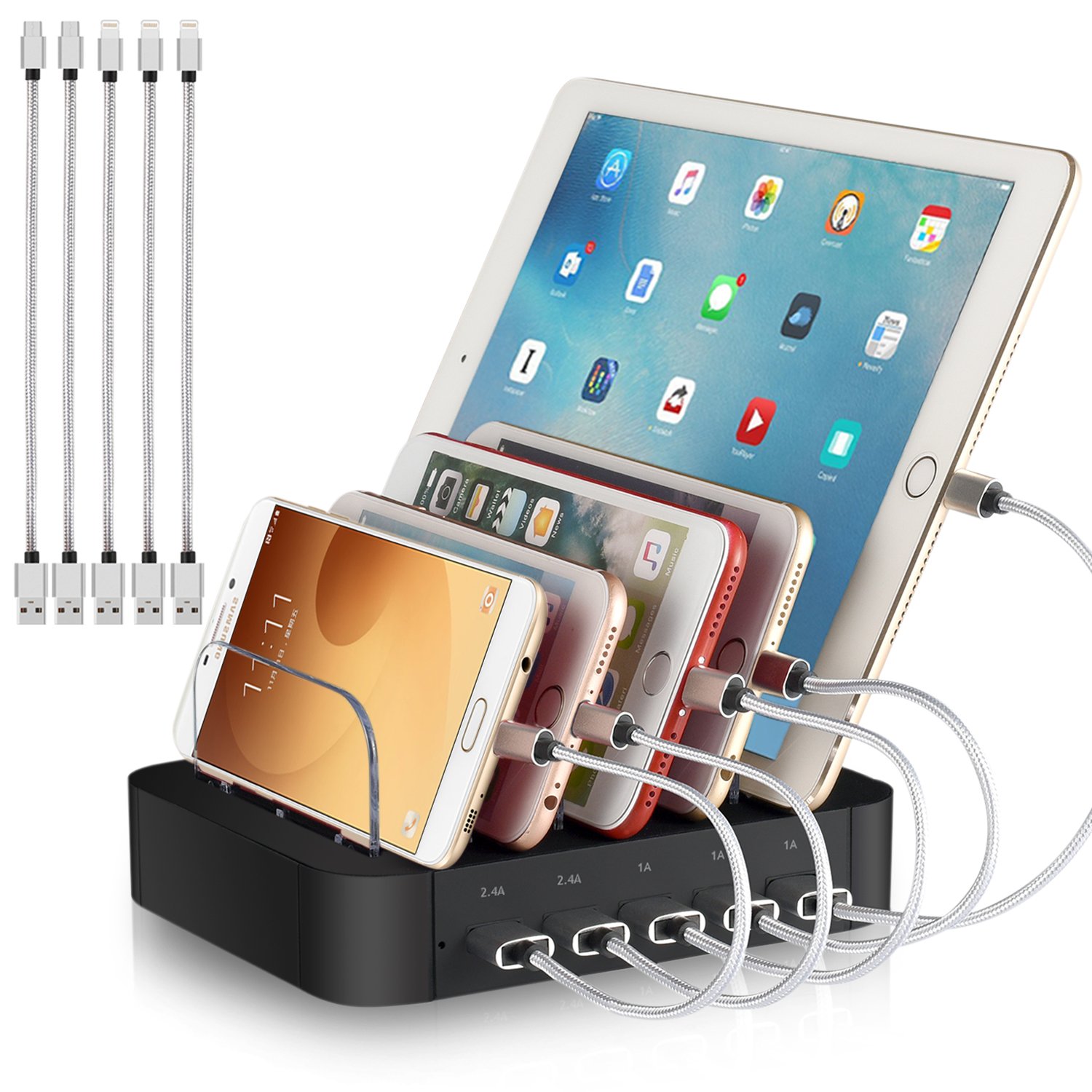
- Charging multiple devices at the same time:This cell phone charging station can charge up to 5 devices simultaneously, you can use it to charge all your smartphones, tablets at home or in the office.
- Comprehensive compatibility: This multiple usb charger can work with any usb-charged device: iphone, ipad, galaxy, kindle, power bank, and other cell phones, tablets.
- Quick charge: This multi port charging station come with 2 fast charging ports (2.4A), fully charge your power bank and tablet just in a few hours, other 3 *1.0A ports to charge your cell phone also quickly. All ports can automatically identify different devices, so you can use all ports to charge your device.
0920 Seymour II Wound Care Model Darkly Pigmented is the most comprehensive and realistic model of its kind. Molded from a 74-year-old patient, this model displays the following conditions: Stage 1, Stage 2, Stage 3 with undermining, tunneling, fat and slough, Stage 4 with exposed bone, undermining, tunneling, fat, eschar and slough. 0920 Seymour II Wound Care Model displays the following pressure injuries (per NPUAP 2016 – National Pressure Ulcer Advisory Panel): Stage 1, Stage 2, Stage 3 with undermining, tunneling, subcutaneous fat and slough, deep Stage 4 with exposed bone with osteomyelitis, undermining, tunneling, subcutaneous fat, eschar and slough. Also shown are a DTPI (Deep Tissue Pressure Injury), unstageable full eschar/slough wound, and a 5 1/2” dehisced wound. Great care has been taken to hand paint each wound just as you would see it on a patient for the most life-like presentation. This model is an effective tool for educating all healthcare professionals and patients in the identification and staging of wounds and their probable etiologies. Once the different etiologies are understood, they can be discussed and treatment plans devised that will deliver optimized patient care. Seymour II is also an excellent visual aid for education, allowing people to see what can occur without proper care. Routine cleansing and dressing changes can be taught and practiced on all the wounds by healthcare providers, patients, families, and caregivers. Seymour II is made of a life-like material that permits the application and easy removal of dressings, without leaving an adhesive residue. The Stage 3 and Stage 4 are positioned so that a “bridging” dressing for use with a vacuum assisted closure and negative pressure wound therapy devices can be demonstrated and practiced. A great tool for training, competency testing, skills assessment, dressing techniques and use of negative pressure wound therapy devices! Optional carry case available